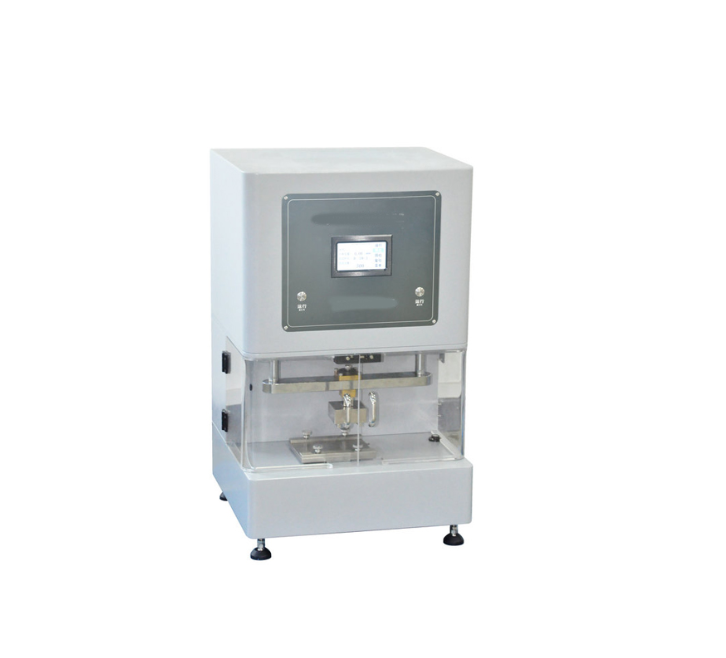
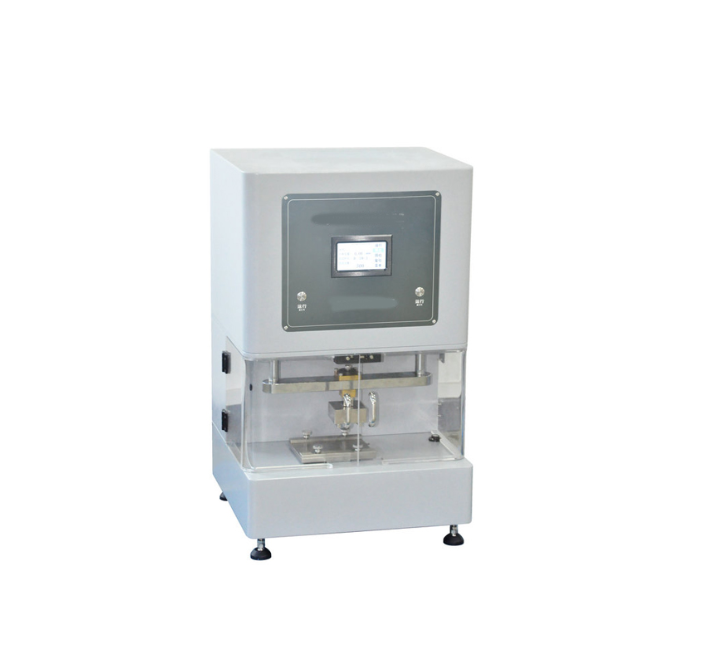
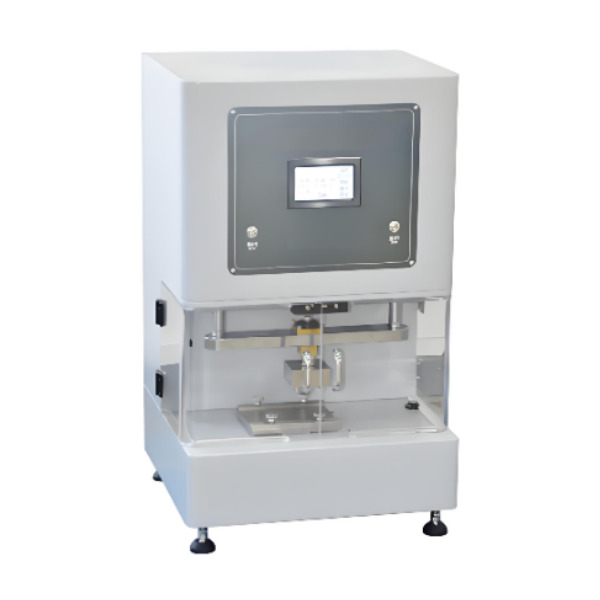
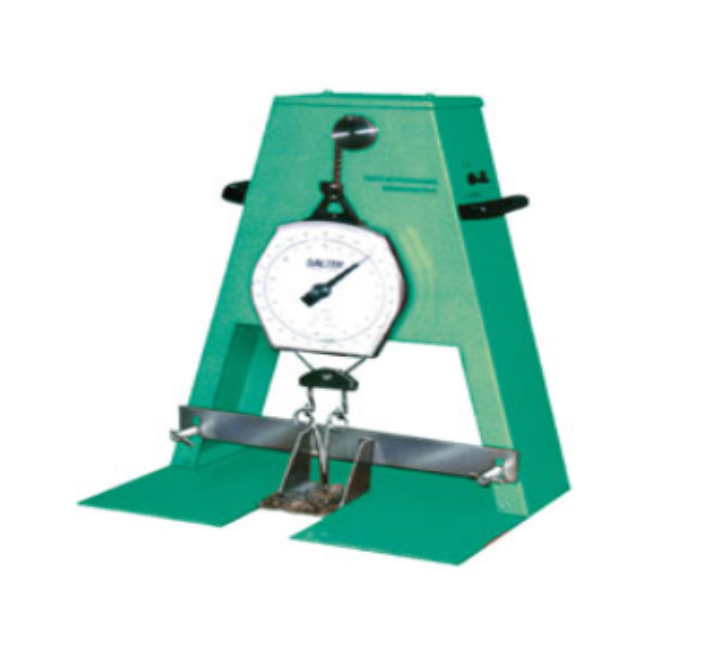
About Carpet Dynamic Load Tester
Application
You can use this machine to test:
Residential, commercial, and industrial carpets
Rugs and area mats
Textile flooring products
Quality control and R&D of pile height retention and wear resistance
Standards
The instrument supports international carpet durability testing standards, including:
(1) ISO 2094:1999 (Carpets Determination of dynamic load resistance)
(2) BS 3654 / ISO alignment (British standard for carpet durability)
(3) QB/T 1091-2001 (Chinese textile flooring standard)
(4) ASTM D3574 Test I4 (US standard for foam and carpet performance)
Parameters
| Parameter |
Specification |
| Dimensions (WDH) |
500 mm 500 mm 370 mm |
| Power Consumption |
250 W |
| Load Type |
Two rectangular steel feet (51 mm 6.3 mm, height 9.5 mm) |
| Impact Frequency |
One impact every 5 seconds |
| Sample Movement |
3.2 mm per impact with semi-overlapping area |
| Stressed Area per Cycle |
90 mm 50 mm |
| Test Mode |
Dynamic back-and-forth motion |
Efficient Carpet Testing for Lasting QualityDesigned specifically for laboratory use, the Carpet Dynamic Load Tester enables thorough assessment of carpet durability and resistance to deformation under dynamic load. With a high-capacity loading system, precise measuring range, and intuitive touch screen controls, this machine streamlines the testing process while maintaining stringent international standards. Its robust safety features and easy-clean system provide reliability and minimal maintenance.
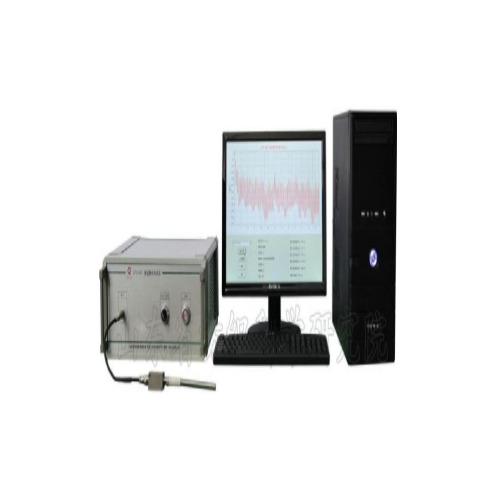
Advanced Data Handling and ExportEquipped with internal memory and USB export capability, the tester allows users to conveniently store and retrieve test data for documentation and analysis. The seamless RS232/USB interface further integrates with lab data management systems, facilitating efficient workflow and traceability.
Versatile Operation and SafetyChoose between manual or programmed cycle modes to suit your testing requirements. The protective acrylic shield, end-of-test buzzer, and comprehensive electrical safeguards ensure both operator safety and machine longevity. The machine's low noise output and ergonomic bench top design make it ideal for modern laboratory environments.
FAQ's of Carpet Dynamic Load Tester:
Q: How does the adjustable sample holder frame improve testing accuracy?
A: The adjustable sample holder ensures that various carpet types and thicknesses can be securely mounted for consistent and reliable testing, thereby improving the accuracy and repeatability of results.
Q: What standards does the Carpet Dynamic Load Tester comply with?
A: This tester meets ISO 2094 and ASTM D5417 standards, ensuring its suitability for internationally recognized laboratory testing methods.
Q: When should I use the manual versus programmed cycle modes?
A: Manual mode is ideal for custom or irregular testing, allowing direct operator control over cycles. Programmed mode is best when performing large batch tests or when repeatability and automation are required.
Q: Where can the test data be stored and how can it be exported?
A: Test data is stored in the tester's internal memory. It can be easily exported via USB for further analysis or recordkeeping, and the RS232 interface supports lab integration.
Q: What is the process for cleaning and maintaining the machine?
A: Regular cleaning involves removing the drip tray, which is designed for easy, tool-free maintenance. Periodic checks on the protective shield and safety interlock system are also recommended to ensure optimal operation.
Q: How can the tester benefit laboratory operations?
A: By providing accurate, repeatable measurements with programmable control and fast response, the tester enhances productivity, reduces labor, and supports compliance for quality assurance.
Q: What is the usage procedure for a standard test cycle?
A: Mount a 200 x 200 mm carpet specimen in the adjustable frame, select the desired test mode using the LCD touch screen, set test parameters such as cycles and load, and then initiate the test. Upon completion, the alarm buzzer indicates test end and data can be exported via USB.





 Send Inquiry


 Send Inquiry
