Computer Controlled Memory Impact Testing Machine ASTM D256 Standard

Computer Controlled Memory Impact Testing Machine ASTM D256 Standard

Price 600.0 USD ($)/ Unit

MOQ : 1 Unit

Computer Controlled Memory Impact Testing Machine ASTM D256 Standard Specification

  • Test Material
  • Plastics, Polymers
  • Port Size
  • Standard USB, LAN available
  • Specimen Size
  • 63 mm 12.7 mm 3.2 mm (Standard ASTM D256)
  • Temperature
  • Room temperature, 10C~35C
  • Test Range
  • 1-50 Joules
  • Humidity
  • 85%
  • Number of Specimens
  • Single spec. at a time
  • Type
  • Computer Controlled Memory Impact Testing Machine
  • Material
  • Stainless Steel & High-Grade Alloy
  • Power
  • 220V, 50Hz, 500W
  • Power Source
  • Electric
  • Dimension (L*W*H)
  • 600 x 350 x 600 mm
  • Weight
  • Approx. 120 kg
  • Usage
  • Impact resistance testing for polymers and plastics
  • Application
  • Research labs, Quality control, Material Science, Plastics Industry
  • Language Options
  • English/Chinese selectable
  • Display Type
  • 7-inch LCD Touch Screen
  • Safety Features
  • Overload protection, Emergency stop, Door lock switch
  • Measurement Accuracy
  • 0.01 Joule
  • Test Standard
  • ASTM D256
  • Result Processing
  • Automatic calculation of absorbed energy, impact strength
  • Control System
  • Microcomputer controlled with software
  • Data Output
  • USB, Print, PC Software Export
  • Pendulum Capacity
  • Up to 50J
  • Power Failure Protection
  • Yes


About Computer Controlled Memory Impact Testing Machine ASTM D256 Standard

Technical indicators

Item Specification
Impact Energy 2J/4J (Simply Supported Beam); 2.75/5.5J (Cantilever Beam)
Sampling Rate 10us
Resolution 16 bits
Load Measurement Accuracy 1%
Impact Knife Angle 30
Pendulum Torque Simple Beam: 2.1436Nm, 1.0718Nm, 0.5359Nm; Cantilever Beam: 2.9474Nm, 1.4737Nm
Pendulum Prelift Angle 150
Simple Supported Beam
Impact Speed 2.9m/s
Distance from Pendulum Shaft Center to Sample Center 230mm
Blade Angle 30
Blade Radius 2mm
Support Corner Radius 1mm
Front Angle of Support 5
Rear Angle of Support 10
Support Span 40mm, 60mm, 70mm
Sample Type and Size (LWT) 80104mm; 5064mm; 1201510mm
Cantilever Beam
Impact Speed 3.5m/s
Distance from Pendulum Axis Center to Sample Center 335mm
Blade Angle 75
Blade Radius 0.8mm
Front Edge Angle 5
Blade Back Angle 10
Sample Type and Size (LWT) 80104mm; 63.512.712.7mm; 63.512.76.4mm; 63.512.73.2mm

FAQ

1. What are the main functions of these instruments?

The Computer Controlled Memory Impact Testing Machine is used to evaluate a materials impact resistance and energy absorption under controlled conditions, with automated data storage and analysis.The Dynamic Mechanical Torsional Braid Analyzer measures torsional mechanical properties of fibers and braided materials, including stiffness, damping, and dynamic response.

2. What types of materials can be tested?

The impact testing machine is suitable for plastics, metals, composites, and other solid materials.The torsional braid analyzer is designed for fibers, yarns, and braided structures, including textile and high-performance materials.Both instruments can be adapted for different sample geometries using appropriate fixtures.

3. What are the key features of computer-controlled operation?

Computer-controlled systems provide:

Automated test execution

Real-time data acquisition and visualization

Built-in data storage (memory function)

Advanced analysis and reporting capabilities

This improves testing efficiency, repeatability, and accuracy.
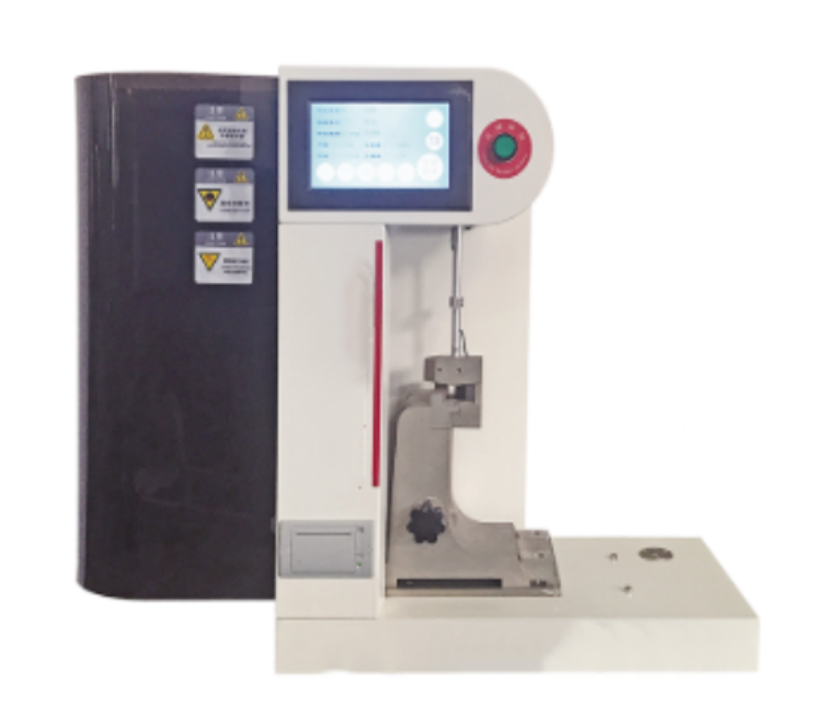


Superior Precision and Robust Design

This impact testing machine offers unparalleled measurement accuracy of 0.01 Joule, ensuring highly reliable results for plastic and polymer materials. Its robust construction from stainless steel and high-grade alloy guarantees longevity and stability, making it suitable for continuous use in laboratory and industrial settings.


Advanced User-Friendly Operation

Equipped with a 7-inch LCD touch screen and intuitive software, users can easily operate, configure, and monitor tests. The machine provides automatic calculations and versatile data outputs, including USB, print, and PC export, ensuring convenient data management and analysis.


Comprehensive Safety Features

Operators are protected by multiple safety mechanisms, such as overload protection, emergency stop button, and a secure door lock switch. Power failure protection further enhances the safety and reliability of each test, minimizing operational risks during impact testing sessions.

FAQ's of Computer Controlled Memory Impact Testing Machine ASTM D256 Standard:


Q: How does the Computer Controlled Memory Impact Testing Machine ensure accurate results?

A: The machine uses a microcomputer control system and high-quality components to achieve a measurement accuracy of 0.01 Joule, following ASTM D256 standards. Automatic result processing calculates absorbed energy and impact strength, minimizing human error.

Q: What types of materials can be tested using this machine?

A: This machine is specifically designed for testing the impact resistance of plastics and polymers, allowing research labs and quality control departments to assess a broad range of samples according to standard specimen sizes.

Q: Where can the results from the tests be exported or printed?

A: Test outcomes can be exported via USB port, LAN connection, printed directly, or exported to PC software, providing flexible options for data management and record-keeping.

Q: When should I use the emergency stop or other safety features?

A: Use the emergency stop button or rely on built-in overload protection and door lock switch in the event of unsafe operating conditions, unexpected malfunctions, or power failures to ensure operator safety and prevent equipment damage.

Q: What is the primary benefit of automatic result processing in this testing machine?

A: Automatic calculation of absorbed energy and impact strength speeds up the testing process, removes manual computation errors, and ensures data accuracy and reliability, which is crucial for research and quality assurance.

Q: How is the device powered and what are the installation requirements?

A: The machine operates on a 220V, 50Hz, 500W electric power source. It should be installed in an environment with room temperature (10C-35C) and up to 85% humidity, with dimensions 600 x 350 x 600 mm for optimal performance.

Q: Which industries and applications benefit most from this impact testing machine?

A: Research laboratories, material science departments, quality control teams, and the plastics industry gain valuable insights from accurate and reliable impact resistance data, enhancing product development and material selection.

Tell us about your requirement
product

Price:

Quantity
Select Unit

  • 50
  • 100
  • 200
  • 250
  • 500
  • 1000+
Additional detail
Mobile number

Email

More Products in Textile And Apparel Testing Machine Category

Syringe Sealing Positive Pressure Tester

Syringe Sealing Positive Pressure Tester

Price 820.0 USD ($) / Unit

Minimum Order Quantity : 1 Unit

Test Range : 0600 kPa

Number of Specimens : 1 (customizable)

Humidity : 80%RH

Type : Other, Positive Pressure Tester
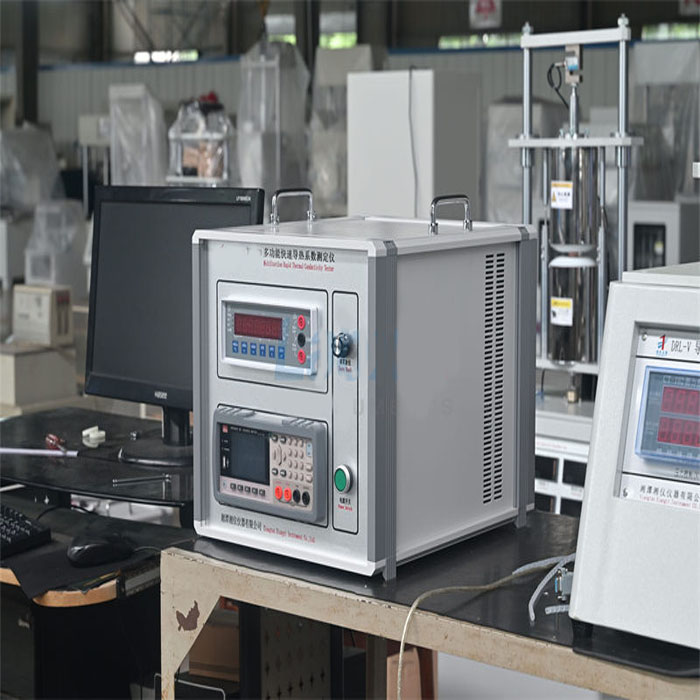
Rapid Thermal Conductivity Tester for Geotechnical Materials (Transient Plane Heat Source Method)

Rapid Thermal Conductivity Tester for Geotechnical Materials (Transient Plane Heat Source Method)

Price 950.0 USD ($) / Unit

Minimum Order Quantity : 1 Unit

Test Range : 0.01~5.0 W/(mK)

Number of Specimens : 1 per test cycle

Humidity : 090% RH (Noncondensing)

Type : Other, Rapid Thermal Conductivity Tester, Transient Plane Heat Source

Rotary Tribometer ASTM G99 Friction and Wear Testing Machine

Rotary Tribometer ASTM G99 Friction and Wear Testing Machine

Price 1500.0 USD ($) / Unit

Minimum Order Quantity : 1 Unit

Test Range : 1 N to 200 N (load), 50 rpm to 2000 rpm (speed)

Number of Specimens : Single specimen per test

Humidity : Ambient/Optional humidity control attachment

Type : Other, Rotary Tribometer (ASTM G99)

Textile Fiber Blend Ratio and Composition Analysis Instrument for R&D and Standard Compliance

Textile Fiber Blend Ratio and Composition Analysis Instrument for R&D and Standard Compliance

Price 500.0 USD ($) / Unit

Minimum Order Quantity : 1 Unit

Test Range : 0.1% 100% fiber content ratio

Number of Specimens : Up to 24 per cycle

Humidity : 20% 85% RH (operational)

Type : Other, Fiber Blend Ratio Analysis Instrument


Back to top