About High and low temperature memory impact testing machine
Parameters
| Item |
Specification |
| Impact energy (Charpy) |
2 J / 4 J |
| Impact energy (Izod) |
2.75 J / 5.5 J |
| Sampling rate |
10 s |
| Resolution |
16 bit |
| Load measurement accuracy |
1% |
| Impact knife angle |
30 |
| Pendulum pre-lift angle |
150 |
| Pendulum torque (Charpy) |
2.1436 Nm / 1.0718 Nm / 0.5359 Nm |
| Pendulum torque (Izod) |
2.9474 Nm / 1.4737 Nm |
Simply Supported Beam (Charpy)
| Item |
Specification |
| Impact speed |
2.9 m/s |
| Pendulum shaft center to specimen center |
230 mm |
| Blade angle |
30 |
| Blade radius |
2 mm |
| Support corner radius |
1 mm |
| Support front angle |
5 |
| Support rear angle |
10 |
| Support span |
40 mm / 60 mm / 70 mm |
| Specimen size (LWT) |
80104 mm; 5064 mm; 1201510 mm |
Cantilever Beam (Izod)
| Item |
Specification |
| Impact speed |
3.5 m/s |
| Pendulum axis center to specimen center |
335 mm |
| Blade angle |
75 |
| Blade radius |
0.8 mm |
| Blade front angle |
5 |
| Blade back angle |
10 |
| Specimen size (LWT) |
80104 mm; 63.512.712.7 mm; 63.512.76.4 mm; 63.512.73.2 mm |
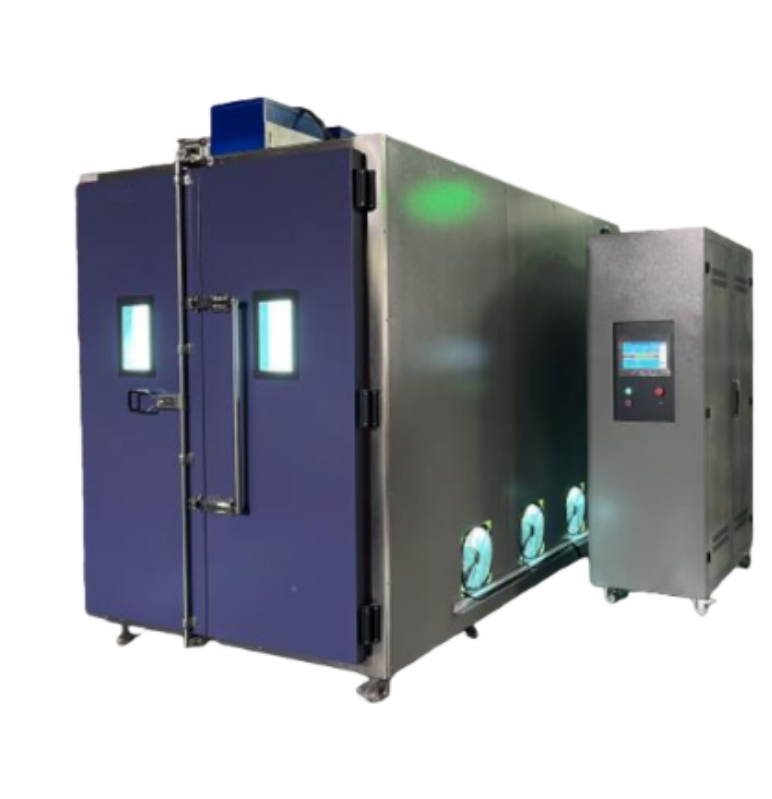
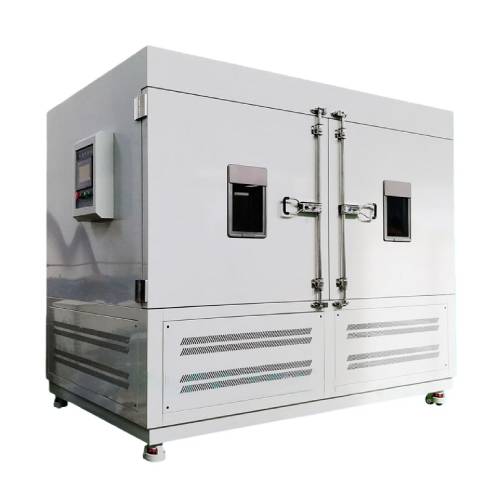
Advanced Thermal Control for Accurate TestingThis machine utilizes a hybrid cooling system (air and mechanical refrigeration) alongside high-efficiency electric heating to achieve and maintain temperatures between -70C and +150C. Whether simulating cold storage or high-heat environments, the programmable PLC controller enables multiple temperature profiles within a single test sequence, boosting the flexibility and accuracy of material evaluation under actual service conditions.
Robust Construction and Safety IntegratedBuilt with a 304 stainless steel chamber and a powder-coated steel exterior, the equipment ensures durability and clean operation. Safety features like over-temperature alarms, door interlocks, and automatic shutdown provide reliable operation and protection for both users and samples during high-energy impact tests, making it suitable for continuous industrial or laboratory use.
Comprehensive Data Management and CustomizationThe machine is equipped with USB storage and PC connectivity, allowing thorough data output, reporting, and analysis. Its adjustable test speed, impact energy capacity up to 300 Nm, test width up to 50 mm, and customizable settings accommodate a wide array of specimen types and sizes, meaningful for both standard and unique research demands.
FAQ's of High and low temperature memory impact testing machine:
Q: How does the machine maintain precise temperature conditions during testing?
A: The machine's combined air and mechanical refrigeration system, augmented with electric heating tubes, ensures reliable temperature control between -70C and +150C. The built-in PLC controller enables programmable and repeatable temperature profiles, maintaining high accuracy throughout each test cycle.
Q: What types of materials can be tested with this equipment?
A: This system is designed for high and low memory impact tests on alloys, plastics, and other materials requiring evaluation under extreme temperature changes. Its customizable design accommodates various specimen sizes for both standard and specialized research.
Q: When should I use programmable temperature cycles in my test protocols?
A: Programmable temperature cycles are ideal when assessing how materials respond to rapid environmental changes or extreme thermal conditions. This feature is particularly relevant for research and quality assurance in automotive, aerospace, and electronics industries where materials face fluctuating service environments.
Q: Where can data from test cycles be stored or accessed?
A: Test data can be saved directly onto USB storage devices or transferred to a connected computer via USB or RS232 interfaces. This facilitates comprehensive analysis, reporting, and long-term archiving of testing results.
Q: What is involved in setting up a new test on this impact testing machine?
A: Sample placement involves loading one to three specimens into the chamber, configuring temperature and test parameters using the intuitive LCD touchscreen, and selecting the desired test method (Charpy/Izod). Users can adjust test width, speed, temperature range, and cycle parameters as per testing requirements.
Q: How does automatic shutdown and safety interlock benefit users?
A: Automatic shutdown mechanisms work in conjunction with over-temperature alarms and door interlocks to protect both operators and equipment from potential hazards. Should abnormal conditions occur, the system halts testing and alerts the user, minimizing operational risks.





 Send Inquiry


 Send Inquiry
