About IMO Flame Spread Test Apparatus
Standards
The apparatus complies with the following standards:
(1) GB/T 28752-2012 Test Method for Lateral Flame Spread on Vertical Surfaces
(2) ISO 5658-2 Reaction to Fire Tests Spread of Flame Part 2: Lateral Spread on Building Products in Vertical Configuration
(3) IMO Resolution A.653(16) Surface Flammability of Bulkhead, Ceiling and Deck Finish Materials
(4) ASTM E1317
Parameters
| Item |
Specification |
| Methane Calibration Burner |
1 kW and 3 kW flame output |
| Radiant Panel Size |
480 mm 280 mm |
| Ambient Temperature Range |
10 C to 35 C |
| Calibration Gas |
Methane |
| Combustion Gas |
Propane or Methane |
| Power Supply |
220 V, 10 A |
| Equipment Dimensions (Standard) |
1100 mm 1100 mm 1700 mm |
| Equipment Dimensions (Optional) |
1530 mm 900 mm 1650 mm |
| Equipment Weight |
128 kg |
| Measured Parameters |
Critical heat flux, ignition heat, total heat release |
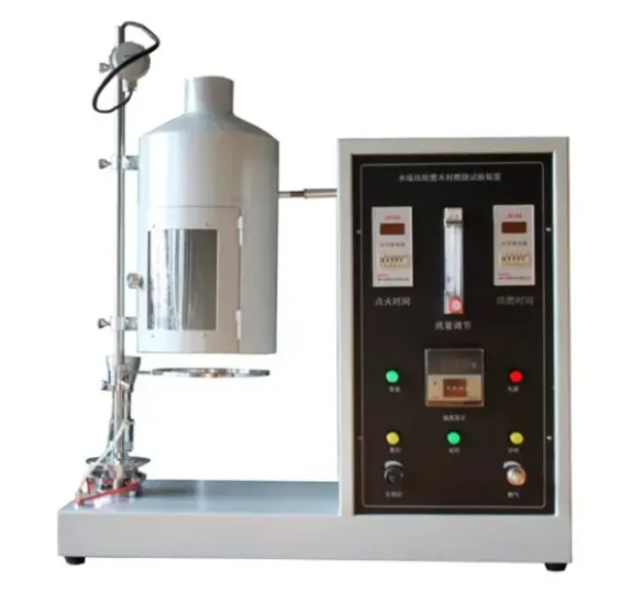
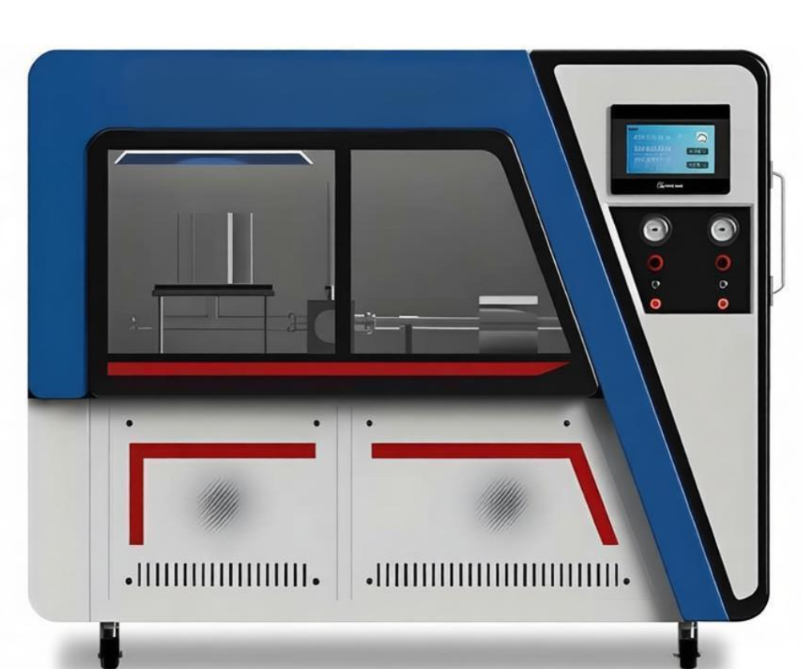
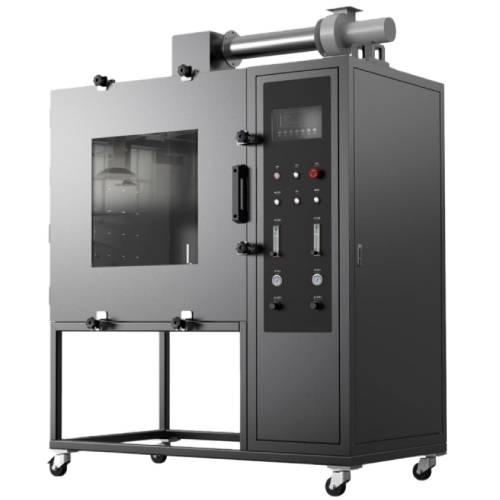
Precision Flame Spread Testing for Marine MaterialsOur IMO Flame Spread Test Apparatus is meticulously engineered to evaluate the flammability and flame propagation of materials in compliance with international marine safety standards. Designed for both durability and accuracy, the system guarantees consistent results through advanced features and robust safety mechanisms. Whether for research, quality assurance, or regulatory compliance, this apparatus provides reliable performance essential for the marine industry.
Advanced Safety and Control FeaturesThis apparatus integrates essential safety mechanisms such as a flame shield and an automatic gas cutoff system, ensuring secure operation throughout testing. The toughened glass observation windows enable clear, direct flame monitoring, while both manual and automated ignition controls are protected by comprehensive safety interlocks. The corrosion-resistant frame and integrated exhaust system further enhance operator safety and device longevity.
FAQ's of IMO Flame Spread Test Apparatus:
Q: How does the IMO Flame Spread Test Apparatus ensure consistent flame application during testing?
A: The apparatus utilizes a multi-port gas burner that distributes the flame evenly across the test sample, ensuring every material undergoes a uniform exposure. This consistency is critical for achieving reliable and repeatable test results that comply with regulatory standards.
Q: What compliance standards does the apparatus meet for flame spread testing?
A: It fully complies with IMO Resolution A.653(16) and ISO 5658-1, making it suitable for testing materials intended for use in marine environments where safety certification is mandatory.
Q: When should I use the integrated digital timer during a test?
A: Activate the digital timer immediately upon ignition to precisely monitor the 15-second ignition period and the subsequent testing duration. Accurate timing ensures that all results adhere to testing protocols and international standards.
Q: Where is the flame and material interaction observed during the test?
A: Observation is conducted through toughened glass windows built into the apparatus. These windows provide a clear view of the flame spread and sample response, while also protecting the operator from direct exposure to heat and flame.
Q: What is the process for calibrating the flame spread apparatus?
A: Each unit is supplied with a calibration certificate, confirming that it has been calibrated to international standards prior to delivery. Regular calibration ensures continued accuracy and reliability. For ongoing maintenance, consult the manufacturer's guidelines or authorized service providers.
Q: How does the apparatus promote safe operation in potentially hazardous environments?
A: Safety is reinforced by features such as a flame shield, gas cutoff system, toughened observation windows, and an integrated exhaust to extract fumes. Together, these mechanisms protect both users and the wider testing environment.
Q: What are the benefits of optional computerized data acquisition?
A: The optional computerized data acquisition system streamlines data recording, improves traceability, and reduces the risk of human error. This is especially valuable for labs requiring consistent documentation, analysis, and regulatory reporting.





 Send Inquiry


 Send Inquiry
