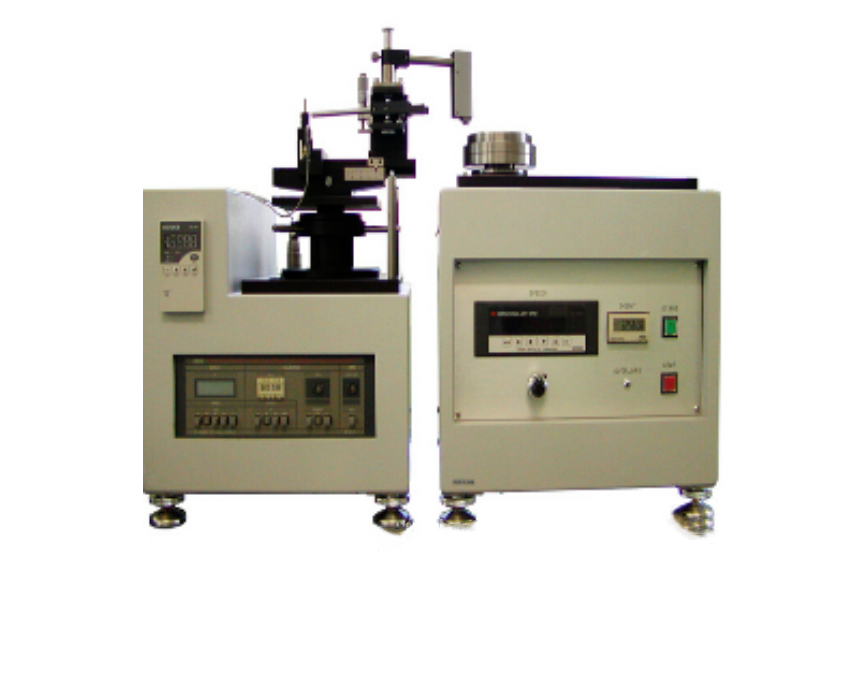
Low-Load Wear Testing Machine

Low-Load Wear Testing Machine

Price 1200.0 USD ($)/ Unit

MOQ : 1 Unit

Low-Load Wear Testing Machine Specification

  • Humidity
  • Up to 85% RH
  • Test Material
  • Metals, Alloys, Ceramics, Polymers
  • Gas Pressure
  • Optional, Up to 5 Bar (if used in controlled atmosphere)
  • Temperature
  • Room Temperature to 250C
  • Specimen Size
  • 10~20 mm, Length 5~20 mm
  • Port Size
  • 1/8 inch (for gas inlet, optional)
  • Number of Specimens
  • 1 at a time
  • Test Range
  • 1 N - 100 N Load
  • Type
  • Low-Load Wear Testing Machine
  • Material
  • Steel Body, Precision Alloy Components
  • Power
  • 220V AC, 50 Hz, 400W
  • Power Source
  • Electric
  • Dimension (L*W*H)
  • 700 mm x 400 mm x 550 mm
  • Weight
  • 60 kg
  • Usage
  • Tribological Analysis, Wear Resistance Testing
  • Application
  • Research Laboratories, Material Testing Facilities, Quality Control
  • Protection
  • Overload and Short Circuit Protection
  • Display Type
  • LED Digital Display
  • Fixture Adaptability
  • Customizable Clamps for Various Specimen Types
  • Wear Measurement System
  • High-sensitivity linear displacement sensor
  • Control System
  • Digital touch panel with PID control
  • Rotation Speed Range
  • 10-500 rpm
  • Data Output
  • USB and RS-232
  • Friction Measurement Accuracy
  • 0.01 N
  • Drive Mechanism
  • DC Servo Motor


About Low-Load Wear Testing Machine

Application

The Low-Load Wear Testing Machine is widely used in applications where ultra-low contact forces and high sensitivity are required, including:

Wear testing of thin films and functional coatings

Evaluation of surface-treated metals and micro-scale surface layers

Tribological testing of polymers, films, and soft materials

Wear behavior analysis of decorative and protective coatings

Research on micro-load friction and wear mechanisms

Typical test samples include:

Thin polymer films

Surface-treated metal sheets

Coated substrates

Functional and decorative coatings

Standards

The system supports test methods aligned with the following international and industry standards:

GB/T 6040-2008 (Test Method for Wear Resistance of Metal Surfaces)

GB/T 10375-2008 (Tribological Test Methods Reciprocating Friction and Wear)

GB/T 17657-2022 (Test Methods for Properties of Wood-Based Panels)

ISO 12137-2 (Determination of Abrasion Resistance of Coated Fabrics and Films)

ISO 20502 (Fine Ceramics and Coatings Scratch and Wear Testing under Micro Load)

ISO 1518-2 (Paints and Varnishes Determination of Scratch Resistance)

ASTM D3702 (Wear Resistance of Polymers and Composite Materials)

ASTM D1044 (Taber Abrasion Resistance of Plastic Materials)

ASTM D1894 (Coefficient of Friction of Plastic Films and Sheeting)

JIS L 0849 (Wear Resistance Test of Plastic Products Micro Load)

JIS L 0823 (Abrasion Resistance of Plastic Films and Sheets)

JIS P 8139 (Determination of Friction and Wear Properties of Coatings)

Parameters

Parameter Category Specification
Main structure Drive unit and measurement unit separated
Turntable size 80 mm
Specimen fixing (turntable) Center bolt fixing, adjustable to specimen shape
Optional fixing method Vacuum chuck
Upper specimen fixing Dedicated fixture, adjustable to specimen shape
Turntable speed 303000 rpm
Rotation counter Accumulative counter, max. 9.999.999.999 cycles
Auto-stop function Stops at preset cycles, up to 9.999.999 cycles
Load method / range Leaf spring displacement method / 0.110 g
Friction force measurement Load cell method, max. 1 N (interchangeable)
Wear measurement Eddy-current displacement sensor, accuracy 3 m
Pivot movement range Vertical adjustment 1030 mm
Data analysis system General-purpose friction and wear analysis software


Advanced Control and Precise Measurement

Equipped with a digital touch panel and PID control, this machine ensures precise adjustment of testing parameters, while the high-sensitivity linear displacement sensor delivers accurate wear measurements. The LED digital display provides real-time test data, and overload protection guarantees safety throughout use.


Versatile Testing Environment

Designed to handle a wide range of testing conditions, the machine supports room temperature up to 250C and humidity levels up to 85% RH. Optional gas inlet allows testing under controlled atmospheres up to 5 bar, substantially expanding the scope of tribological studies for diverse materials, including metals, alloys, ceramics, and polymers.


Comprehensive Data Output and Fixture Adaptability

Results can be easily exported via USB or RS-232 interfaces for seamless integration into laboratory management systems. Customizable clamps accommodate various specimen geometries (10-20 mm diameter, length 5-20 mm), making it a flexible solution for many research and industrial applications.

FAQ's of Low-Load Wear Testing Machine:


Q: How does the PID-controlled digital touch panel enhance the testing process?

A: The PID-controlled digital touch panel enables users to efficiently set and adjust test parameters such as load and rotation speed, providing enhanced precision and stability throughout the testing process. This minimizes measurement errors and ensures consistent, repeatable results.

Q: What types of specimens and materials can be tested with this machine?

A: This machine is compatible with customizable clamps that allow testing of specimens ranging from 10 to 20 mm in diameter and 5 to 20 mm in length. It is suitable for a variety of materials including metals, alloys, ceramics, and polymers.

Q: When is it beneficial to use the optional gas pressure control for testing?

A: Optional gas pressure (up to 5 bar) is advantageous when simulating specific environmental conditions or atmospheric compositions, which is particularly relevant in advanced research or when studying material behavior under controlled atmospheres.

Q: Where can the Low-Load Wear Testing Machine be effectively utilized?

A: This machine is ideally suited for use in research laboratories, material testing facilities, and quality control departments where precise analysis of tribological properties and wear resistance is required.

Q: What is the process for exporting test data from the machine?

A: Test data can be exported directly through the built-in USB and RS-232 ports, allowing seamless integration with computers, laboratory information management systems, or data analysis software for further review and reporting.

Q: How does the overload and short circuit protection feature benefit operators?

A: These protection features ensure safe operation by automatically interrupting the test process in case of excessive load or electrical faults, thereby protecting both the user and the instrument from potential damage.

Q: What advantages does the high-precision linear displacement sensor provide in wear measurement?

A: The linear displacement sensor offers high sensitivity for wear measurement, enabling detection of minute changes in specimen dimensions with an accuracy of 0.01 N for friction measurements. This ensures highly reliable results, especially for low-load testing scenarios.

Tell us about your requirement
product

Price:

Quantity
Select Unit

  • 50
  • 100
  • 200
  • 250
  • 500
  • 1000+
Additional detail
Mobile number

Email

More Products in Textile And Apparel Testing Machine Category

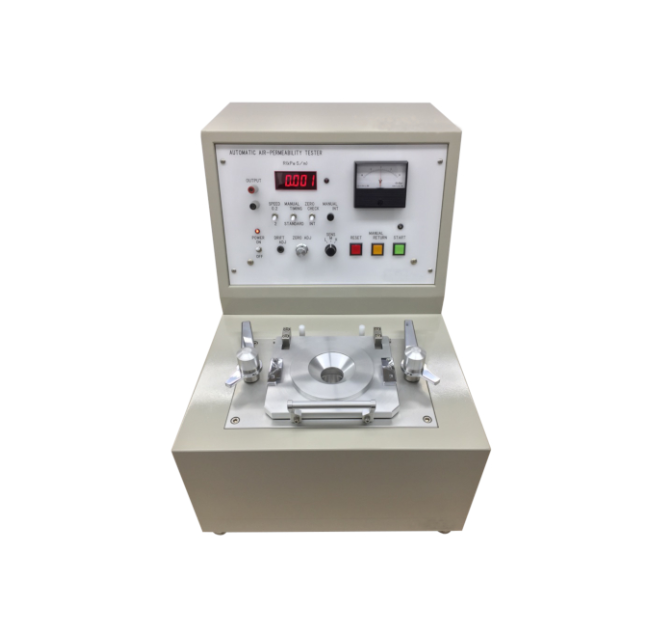
Air Permeability Tester STD-F8

Air Permeability Tester STD-F8

Price 1200.0 USD ($) / Unit

Minimum Order Quantity : 1 Unit

Specimen Size : Minimum 8 x 8 cm

Temperature : Ambient

Test Material : Fabrics, nonwovens, filter paper, technical textiles

Humidity : Environmental or laboratory controlled (optional with chamber)
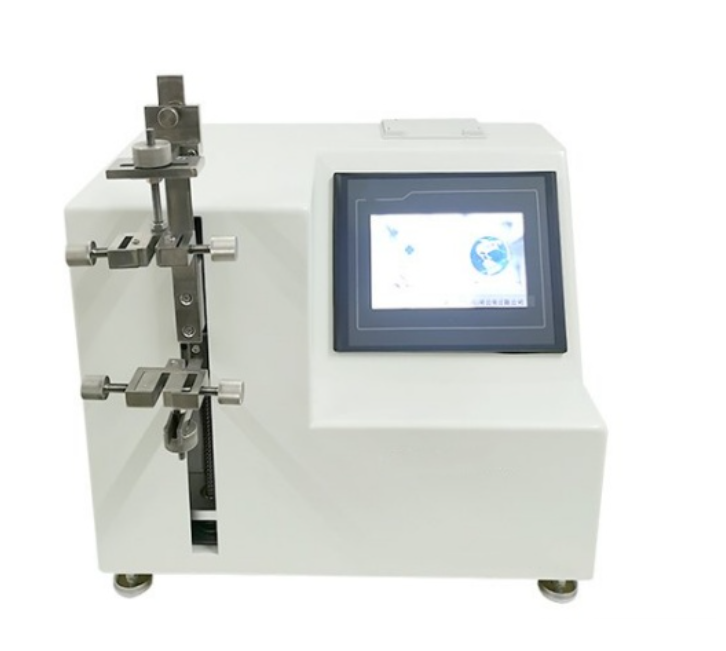
Urinary Catheter Strength Tester

Urinary Catheter Strength Tester

Price 1000.0 USD ($) / Piece

Minimum Order Quantity : 1 Piece

Specimen Size : 6Fr to 24Fr

Temperature : 15C to 40C

Test Material : Polyvinyl chloride, Silicone rubber, Latex

Humidity : Up to 85% RH (Noncondensing)
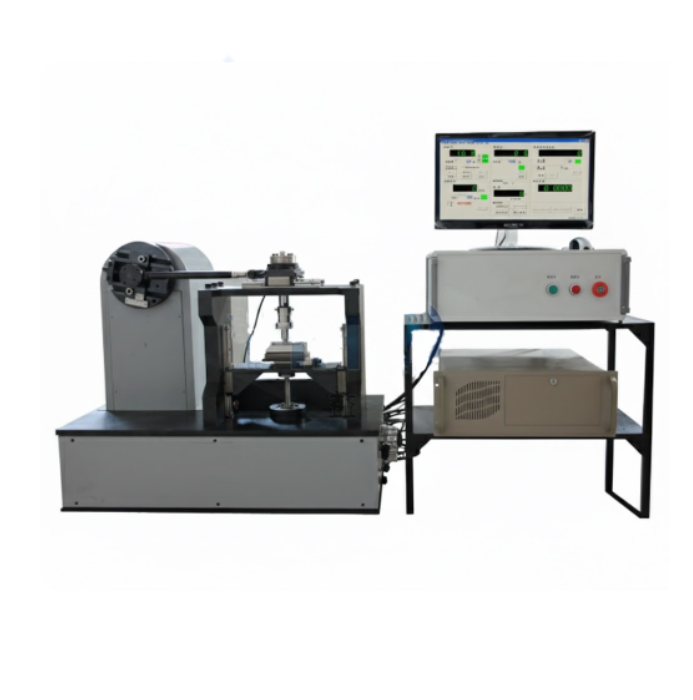
High-Speed Reciprocating Friction and Wear Tester (Type 02) ASTM G133

High-Speed Reciprocating Friction and Wear Tester (Type 02) ASTM G133

Price 2000.0 USD ($) / Unit

Minimum Order Quantity : 1 Unit

Specimen Size : Standard: 10 mm diameter, 30 mm length (customizable)

Temperature : Room Temperature to 400C (controllable)

Test Material : Metals, Ceramics, Polymers, Composites

Humidity : 2090% RH (with environmental chamber)
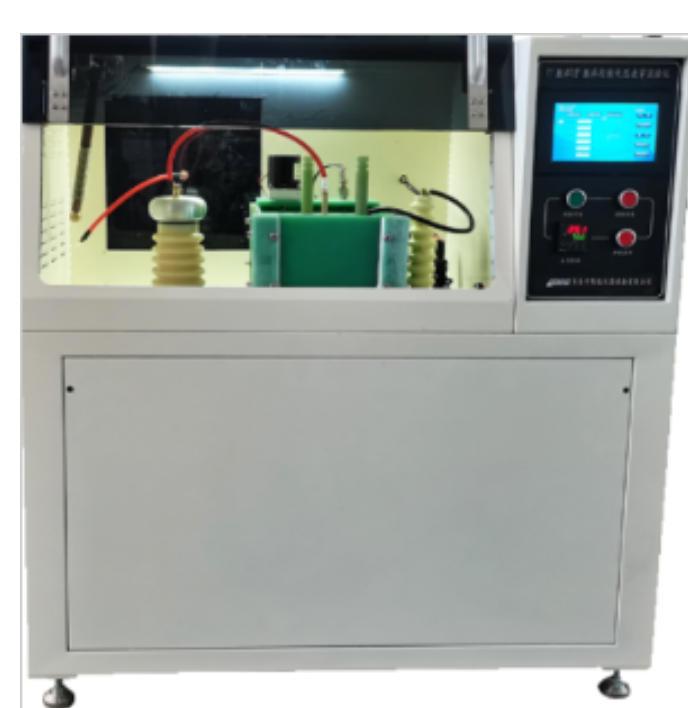
High Temperature Voltage Breakdown (Air Heating) Tester

High Temperature Voltage Breakdown (Air Heating) Tester

Price 1200.0 USD ($) / Piece

Minimum Order Quantity : 1 Piece

Specimen Size : Up to 120 mm (Diameter); Up to 120 mm (Height)

Temperature : RT to 200C (controlled, programmable heating)

Test Material : Solid Insulating Materials, Plastics, Ceramics, Rubber

Humidity : 20% 90% RH



Back to top