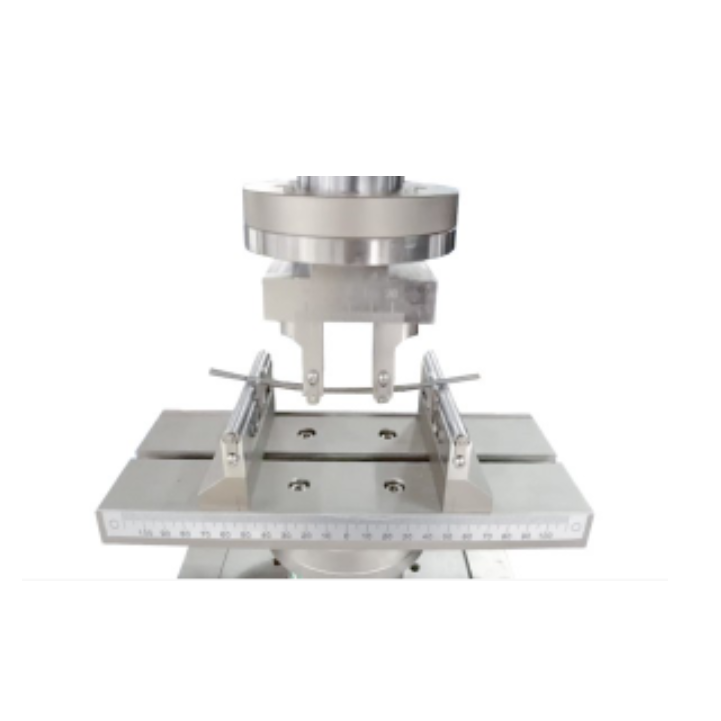
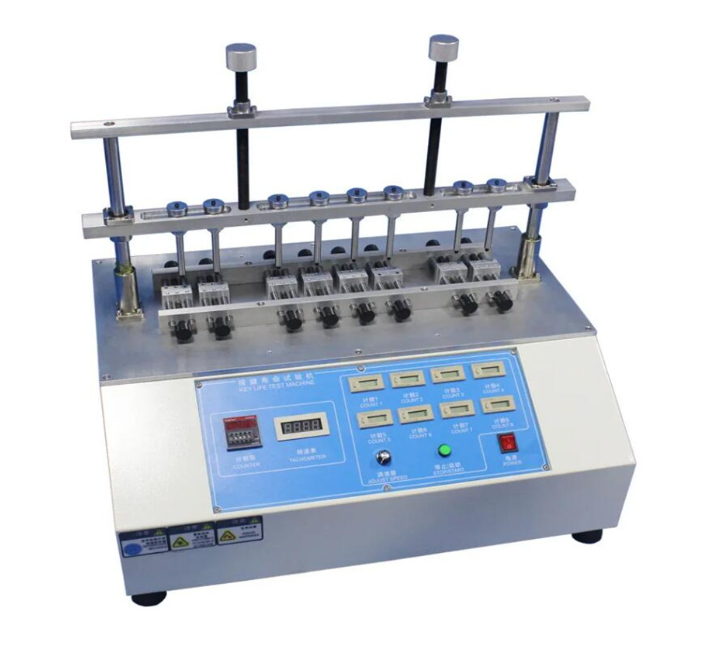
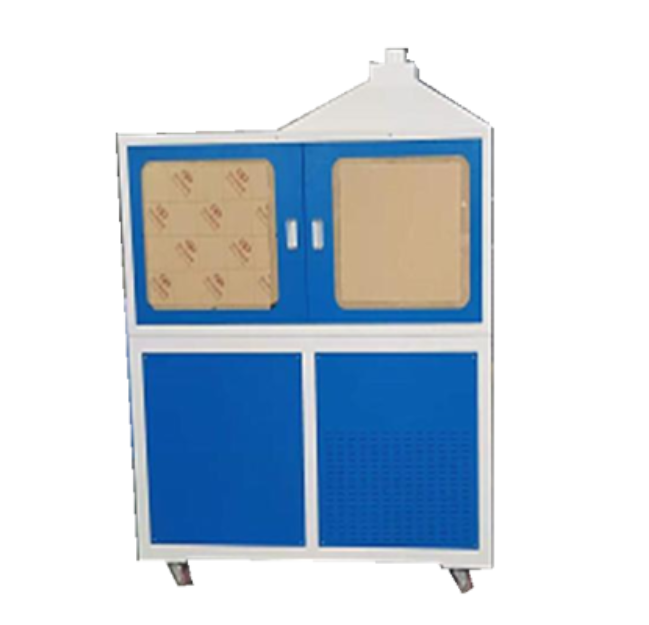
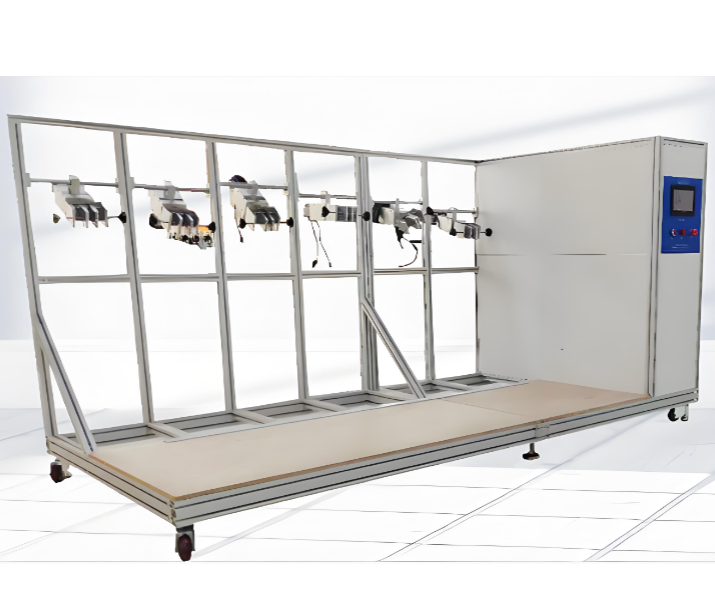
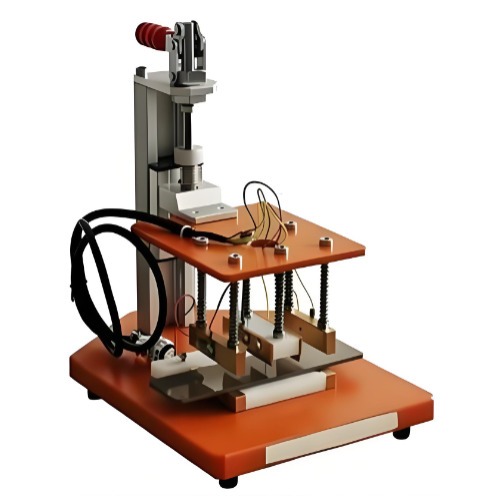
About Spinal Internal Fixation System Component Testing Machine
Standard
(1)YY/T 0119-2014 (China): Specifies mechanical testing protocols for spinal fixation components, including screws, plates, rods, and connectors.
(2)ASTM F2193-18 (International): Defines methodologies for evaluating the static and fatigue performance of spinal implant constructs.
(3)ISO 12189-1: Additional compliance for mechanical testing of spinal implant components under physiological loading.
Product Features
(1)Electromagnetic Servo Actuators: 50 kN axial/25 Nm torsional capacity with programmable load ratios (R=0.110).
(2)6-DOF Kinematic System: Replicates flexion/extension, lateral bending, and axial rotation (20 range).
(3)Dynamic Load Control: 0.115 Hz frequency range with programmable waveforms (sine, square, random).
(4)Thermal-Mechanical Chamber: -20C to +50C temperature control with 1095% RH humidity.
(5)High-Resolution Imaging: Built-in 5MP camera system for crack propagation analysis.
(6)Safety Suite: Emergency stop, overload clutches, and laser-based specimen breakage detection.
Technical Parameters
| Parameter |
Specification |
| Max. Axial Force |
50.000 N (50 N resolution) |
| Max. Torsional Moment |
25 Nm (0.1 Nm resolution) |
| Angular Range |
20 (0.001 resolution) |
| Frequency Range |
0.115 Hz (0.01 Hz increments) |
| Load Ratio (R) |
0.110 (adjustable) |
| Temperature Control |
-20C to +50C (PT1000 sensors) |
| Humidity Control |
1095% RH (non-condensing) |
| Data Acquisition |
100 kHz sampling rate (16-bit resolution) |
| Power Requirements |
220V/110V 10%, 50/60Hz, 3.500W |
| Dimensions (WDH) |
2.200 1.600 2.300 mm |
| Weight |
1.400 kg (including environmental chamber) |
| Noise Level |
<65 dB (A-weighted) |
High-Precision Mechanical Testing for Spinal ImplantsThis component testing machine is designed to rigorously assess the strength and durability of spinal internal fixation devices. Its advanced motion control, real-time data acquisition, and programmable speed adjustments enable highly accurate and repeatable results. With compliance to international standards and adjustable fixtures, it accommodates a diverse range of orthopedic components and specimen sizes.
User-Friendly Design with Advanced Safety FeaturesBenefit from intuitive touch screen controls and easy fixture adjustments for a streamlined workflow. Tool-free calibration reduces downtime, while built-in overload protection ensures user and specimen safety. The machine supports USB and RS232 interfaces for seamless data transfer, internal memory storage, and real-time monitoring of test parameters.
Versatile and Clean Room CompatibleConstructed from stainless steel and high-strength alloys, this testing machine is suitable for demanding laboratory and clean room environments. Its low noise operation and compact benchtop mounting make it an optimal choice for modern biomechanics laboratories, ensuring reliable performance while maintaining strict environmental standards.
FAQ's of Spinal Internal Fixation System Component Testing Machine:
Q: How can I adjust the machine to test different sizes of spinal fixation components?
A: The machine features manually adjustable clamps and customizable fixtures, allowing quick and secure adaptation for a variety of component shapes and sizes, accommodating between 1 to 6 specimens at a time.
Q: What types of data can be acquired and how is the data stored or exported?
A: The system provides real-time digital recording with detailed software analysis. Data can be stored internally and easily exported via USB or RS232 interfaces for further evaluation or archiving.
Q: When is this testing machine typically used in the product development process?
A: It is primarily used during mechanical property verification, quality control, and research phases to ensure spinal implant components meet industry standards before they advance to clinical use or market release.
Q: Where can this testing system be operated and is it suitable for sensitive environments?
A: The machine is designed for biomechanics laboratories and is fully compatible with clean room environments, meeting low-noise and cleanliness requirements crucial for sensitive testing.
Q: What process does the machine utilize for mechanical testing of spinal implant components?
A: It employs servo motor-driven motion control to apply precise loading as per ASTM F2077 and ISO 12189 guidelines, with real-time monitoring of force, displacement, and test speed across 0.01-30 kN.
Q: How does the machine ensure the safety of operators and test specimens during operation?
A: Electronic overload protection and programmable safety features monitor and halt operations in the event of abnormal loads, safeguarding both users and components from damage.
Q: What are the primary benefits of using this component testing machine?
A: Users gain high accuracy (1% of reading), versatility, efficient data handling, reduced maintenance with tool-free calibration, and confidence in compliance with international testing standards for orthopedic implants.





 Send Inquiry


 Send Inquiry
