Automatic Scratch Tester

Automatic Scratch Tester

Price 1200.0 USD ($)/ Unit

MOQ : 1 Unit

Automatic Scratch Tester Specification

  • Resolution
  • 0.1 N
  • Specimen Size
  • Up to 100 mm x 60 mm
  • Equipment Type
  • Automatic Scratch Tester
  • Mounting Type
  • Benchtop
  • Automation Grade
  • Automatic
  • Power Supply
  • AC 220 V, 50 Hz
  • Test Range
  • 1 - 20 N (adjustable loading weight)
  • Temperature
  • 10C to 40C
  • Operating Voltage
  • 220V/110V optional
  • Frequency
  • 50 Hz
  • Port Size
  • Standard sample holder
  • Number of Specimens
  • Single specimen
  • Max Height
  • Specimen thickness up to 20 mm
  • Application
  • Scratch resistance and hardness testing for coatings, paint, plastic, lacquer, etc.
  • Features
  • High precision, adjustable test stroke, digital control, automatic operation
  • Display Type
  • Digital display
  • Accuracy
  • 0.1 N
  • Response Time
  • <1 s
  • Measuring Range
  • 1 N to 20 N
  • Interface Type
  • Panel buttons interface
  • Humidity
  • 10% to 85% RH
  • Usage
  • Laboratory / Quality Control
  • Capacity
  • 1 test at a time
  • Machine Weight
  • Approx. 18 kg
  • Test Speed
  • 2-100 mm/s
  • Test Width
  • Up to 80 mm
  • Test Stroke
  • 20-100 mm adjustable
  • Control Mode
  • Digital / Automatic
  • Sound Alarm
  • Yes, signaling test end
  • Scratch Stylus Material
  • Diamond/Steel (optional)
  • Data Output
  • Digital report/manual reading
  • Stylus Shape
  • Conical, hemispherical, or as per standard
  • Scratch Length
  • 20-100 mm (adjustable)
  • Standards Compliance
  • ISO 1518, ASTM D7027, GB/T 9286
  • Safety Feature
  • Emergency stop button
  • Working Environment
  • No vibrations, stable temperature
  • Service & Support
  • Onsite and remote technical support available


About Automatic Scratch Tester

Standards

(1) ASTM D3363 Standard Test Method for Film Hardness by Pencil Test.

(2) ASTM D6037 Standard Test Method for Wet Abrasion Resistance of Organic Coatings.

(3) ISO 1518-1 Paints and varnishes Determination of scratch resistance Part 1: Method using a scratching stylus.

(4) ISO 1518-4 Paints and varnishes Determination of scratch resistance Part 4: Instrumented method.

(5) BS 3900:E2 British Standard for scratch testing of coatings.

(6) BS EN 13523-12 European standard for determination of scratch resistance of coatings.

Features

(1) Adjustable test load from 50g to 1000g for precise force application.

(2) Adjustable reciprocating friction stroke from 10mm to 60mm.

(3) Variable test speed from 5 to 60 times/min with LCD display feedback.

(4) Digital friction counter (09999) with power-off memory function.

(5) Supplied calibrated load weights (50g, 100g, 200g, 300g, 500g, two of each).

(6) Equipped with friction media holders for cotton cloth, erasers, and Chinese 2B pencils.

(7) Reciprocating mechanism provides controlled back-and-forth motion of the friction medium.

(8) Compact design suitable for laboratory use.

(9) Facilitates objective assessment of coating durability and scratch resistance.

Parameters

Parameter Specification
Working power supply AC 220V, 50Hz
Test load 501000 g
Friction stroke 1060 mm (adjustable)
Test speed 560 times/min (knob adjustment, LCD display)
Friction counter 09999 cycles, preset, power-off memory function
Load weights 50g, 100g, 200g, 300g, 500g (two each)
Friction media Cotton cloth, eraser, two Chinese 2B pencils
Alcohol/liquid friction tools Two
Eraser friction tools Two
Pencil friction tools Two
Machine dimensions 500 450 400 mm


Precision Testing for Coatings and Materials

Achieve reliable measurement of scratch resistance and hardness with this Automatic Scratch Tester. Designed for accuracy, it accommodates various standards and provides adjustable loading and test strokes to cater to different material types and thicknesses. Digital and automatic controls ensure repeatable results, making it ideal for laboratories and quality control processes.


User-Friendly Digital Operation

Enjoy intuitive operation through a panel button interface and digital display. Easily adjust test parameters including speed, length, and loading weight, while real-time digital output and convenient reporting enhance productivity. A sound alarm signals test completion, while emergency stop ensures user safety.


Compliant and Versatile

Compliant with ISO, ASTM, and GB standards, the tester adapts to varied sample sizes and shapes with optional stylus materials and adjustability. Remote and onsite support, combined with flexible power options and environmental tolerance, make it suitable for diverse testing environments and rigorous industrial demands.

FAQ's of Automatic Scratch Tester:


Q: How is the scratch test process performed with the Automatic Scratch Tester?

A: The test is conducted by mounting a single specimen onto the standard sample holder, setting the desired test stroke (20-100 mm), load (1-20 N), and speed (2-100 mm/s). The selected stylus (diamond or steel) is then automatically drawn across the sample while data is digitally recorded. Completion is indicated by a sound alarm.

Q: What materials and sample sizes can be tested using this equipment?

A: The tester is suitable for coatings, paints, plastics, and lacquers. It accommodates specimens up to 100 mm x 60 mm and a maximum thickness of 20 mm, allowing it to be used on a wide variety of laboratory and quality control samples.

Q: When should I use the digital report versus the manual reading for test results?

A: Digital reports are ideal for automatic data logging, record keeping, and when high accuracy is required. Manual readings can be used for quick checks or when digital output is unavailable. Both methods ensure reliable measurement of scratch resistance and hardness.

Q: Where is the best place to operate the Automatic Scratch Tester?

A: Operate the tester in environments with stable temperatures (10C to 40C), humidity from 10% to 85% RH, and minimal vibrations for optimal accuracy. Its compact, benchtop design makes it suitable for laboratory and quality control spaces.

Q: What benefits does the emergency stop and sound alarm provide?

A: The emergency stop enhances user safety by allowing immediate interruption of testing, while the sound alarm clearly indicates the end of each scratch test, improving workflow efficiency and alertness during operation.

Q: How does the tester ensure compliance with international standards?

A: It is designed to comply with ISO 1518, ASTM D7027, and GB/T 9286. Adjustable parameters, precise control, and interchangeable stylus shapes/materials enable alignment with these global standards, ensuring consistent and recognized test results.

Tell us about your requirement
product

Price:

Quantity
Select Unit

  • 50
  • 100
  • 200
  • 250
  • 500
  • 1000+
Additional detail
Mobile number

Email

More Products in Automotive Testing Machine Category

Scratch Hardness Tester

Scratch Hardness Tester

Price 100.0 USD ($) / Unit

Minimum Order Quantity : 1 Unit

Frequency : 50Hz

Test Range : 1~20N (customizable)

Operating Voltage : 220V 10%

Temperature : Room Temperature (10C 40C)

Automotive Cargo Cover Screw Inspection Line

Automotive Cargo Cover Screw Inspection Line

Price 12000.0 USD ($) / Unit

Minimum Order Quantity : 1 Unit

Frequency : 50Hz

Test Range : 0.5 10 mm screw length

Operating Voltage : 220V

Temperature : 0C 45C
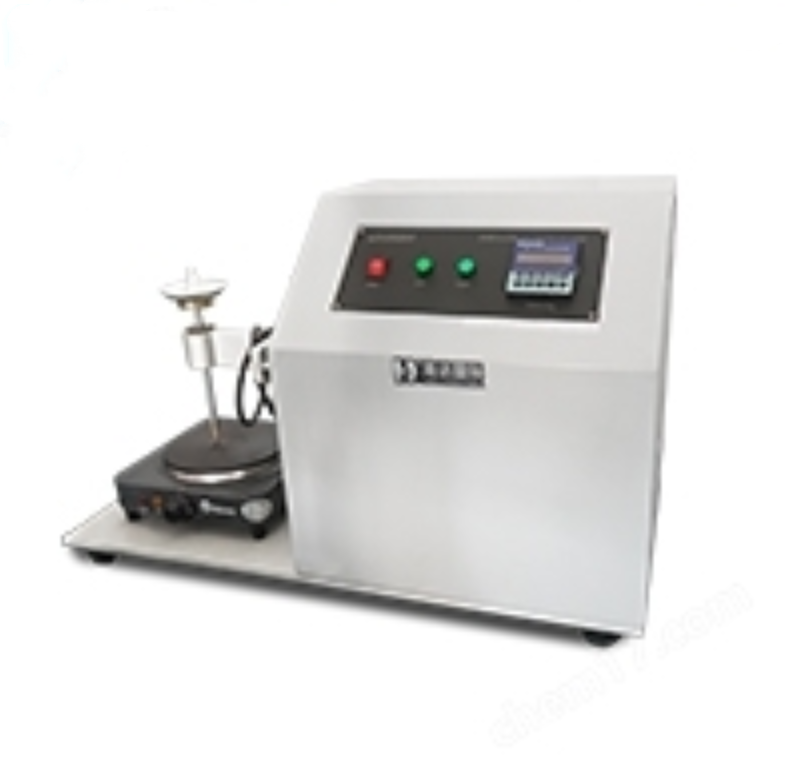
Cookware Scratch Resistance Tester EN 12983

Cookware Scratch Resistance Tester EN 12983

Price 400.0 USD ($) / Piece

Minimum Order Quantity : 1 Piece

Frequency : 50 Hz

Test Range : Low to high scratch force adjustment

Operating Voltage : 220V AC

Temperature : 15C 40C
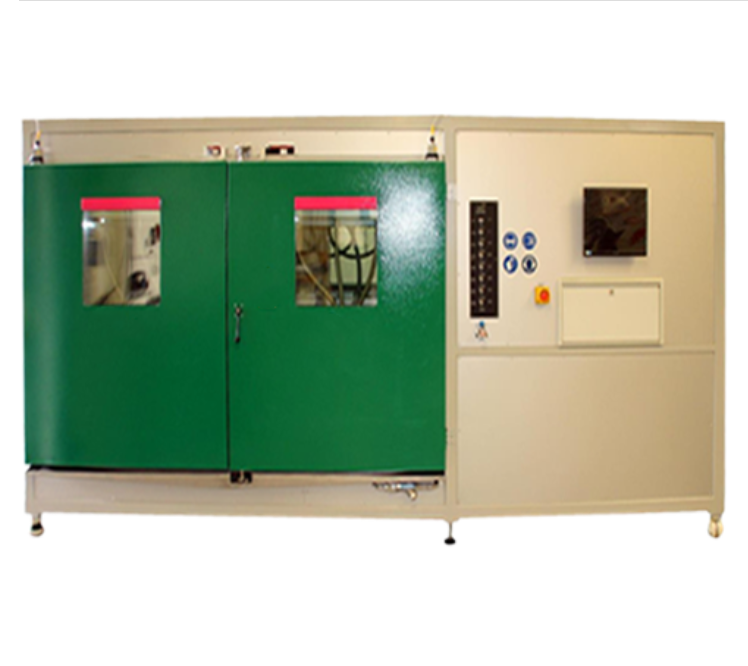
Engine Coolant Pipe Pulsation Tester ISO Standard Price

Engine Coolant Pipe Pulsation Tester ISO Standard Price

Price 2000.0 USD ($) / Unit

Minimum Order Quantity : 1 Unit

Frequency : 50 Hz

Test Range : Varies as per ISO standard requirement

Operating Voltage : 220V/380V AC

Temperature : Room temperature to 80C


Back to top